
Expert Picks for Septic System Evaluation Tools and Devices
Find the most effective equipment recommended by industry experts to perform thorough and precise septic system assessments.
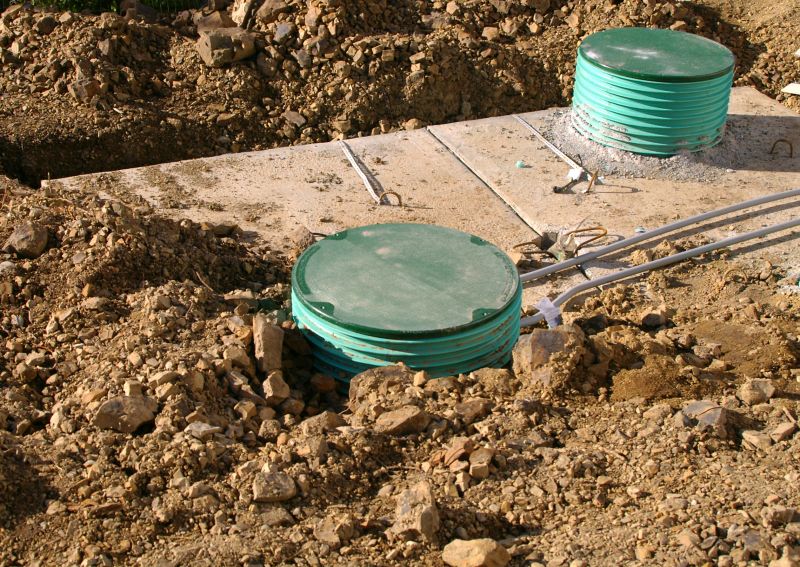 Maintaining a healthy septic system requires regular evaluation to ensure proper function and to prevent costly repairs. Products designed for septic system evaluations can help homeowners and professionals monitor the system's condition effectively. These tools range from simple testing kits to advanced diagnostic equipment, providing insights into the system's performance and identifying potential issues before they escalate. Proper evaluation products are essential for routine maintenance, troubleshooting, and ensuring compliance with local regulations.
Top Overall Option
Comprehensive Septic System Testing Kit
This all-in-one testing kit offers a range of chemical and biological testing tools to assess effluent quality, tank conditions, and system performance. Designed for ease of use, it provides reliable results suitable for homeowners and professionals alike, helping to identify potential issues early. Its versatility and comprehensive testing options make it a valuable resource for routine septic system evaluations.
Types of Products For Septic System Evaluatings
Chemical Testing Kits
These kits analyze effluent samples for chemical parameters, helping assess system performance and detect potential problems.
Biological Testing Kits
Tools designed to evaluate the biological activity within the septic tank, ensuring microbial health and proper breakdown of waste.
Tank Level Sensors
Electronic devices that monitor the liquid level within the septic tank, providing real-time data on tank fill status.
Flow Meters
Devices that measure the flow rate of wastewater through the system to identify blockages or inefficiencies.
Leak Detectors
Tools used to detect leaks in the septic tank or piping, preventing environmental contamination and costly repairs.
Drain Field Testing Devices
Equipment that assesses the absorption capacity and condition of drain fields to prevent failure.
Ultrasonic Thickness Gauges
Non-invasive tools for measuring the thickness of septic tank walls to identify corrosion or deterioration.
Camera Inspection Systems
Portable cameras that allow visual inspection of pipes and tanks for blockages or damage.
pH and Chemical Test Strips
Simple strips for quick assessment of pH levels and chemical balance in septic effluent.
Digital Diagnostic Devices
Advanced electronic tools that provide comprehensive data collection and analysis for septic system evaluation.
Portable Water Quality Meters
Handheld meters for testing various water quality parameters within the septic system.
Effluent Samplers
Devices designed to collect samples of effluent for laboratory analysis to monitor system health.
Electrical Conductivity Meters
Tools to measure the conductivity of effluent, indicating dissolved solids and system efficiency.
Chemical Reagent Kits
Reagents used with test strips or other devices to analyze specific chemical components in septic effluent.
Flow Visualization Devices
Tools that help visualize flow paths within the septic system to identify potential blockages or issues.
Popular Choices
Portable cameras that provide visual inspection of septic tanks and pipes, aiding in diagnosis.
Quick and easy test strips for assessing chemical levels in septic effluent.
Wireless sensors that monitor tank levels remotely for timely maintenance alerts.
Tools to measure wastewater flow, helping identify flow issues or blockages.
Electronic sensors that detect leaks in septic tanks or piping systems.
Assessments of microbial activity within septic tanks to ensure proper waste breakdown.
Comprehensive kits for analyzing chemical parameters in effluent samples.
Non-invasive tools to check the integrity of septic tank walls.
Devices that evaluate the condition of drain fields to prevent failure.
Handheld meters for on-site testing of water parameters within the septic system.
Reagents for detailed chemical analysis of septic effluent samples.
Equipment to observe flow paths and identify potential blockages or issues.
Simple strips to measure pH levels in septic effluent for system balance.
Devices that measure dissolved solids, indicating system efficiency.
Tools for collecting effluent samples for laboratory testing and analysis.
Septic system evaluation tools typically include chemical testing kits that analyze effluent quality, electronic sensors that monitor flow rates and tank levels, and comprehensive diagnostic devices capable of detecting blockages or leaks. Selecting the right product depends on the size of the system, the complexity of the installation, and the specific parameters you wish to monitor. Investing in reliable evaluation products can help extend the lifespan of a septic system and maintain its proper functioning.
When choosing evaluation products, it is important to consider ease of use, accuracy, durability, and compatibility with existing systems. Some products are designed for professional use, offering detailed data collection and analysis, while others are suitable for homeowner inspections. Consistent use of evaluation tools can provide peace of mind and help avoid unexpected failures, saving both time and money in the long run. Whether you are a homeowner or a service provider, the right evaluation products are vital for effective septic system management.
Key Buying Considerations
- Compatibility with your septic system size and type
- Ease of use for both homeowners and professionals
- Accuracy and reliability of readings
- Durability and build quality of the device
- Availability of technical support and customer service
- Portability for on-site inspections
- Ability to perform multiple types of tests with one device
- Frequency of calibration or maintenance required
- Data logging and analysis capabilities
- Battery life and power source options
- Cost and value for the features offered
- Ease of interpreting results for non-experts
- Compatibility with laboratory testing if needed
- Size and weight for ease of transport
- Availability of replacement parts or consumables