
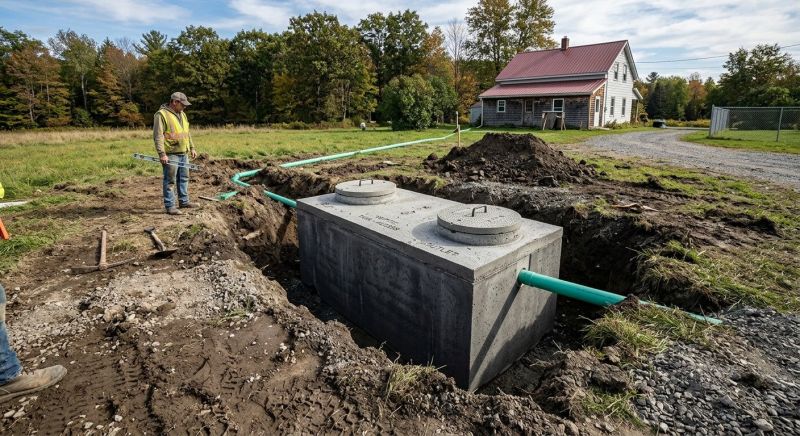
Sewage Tank Installation in Denver, CO
Sewage tank installation services involve placing underground tanks that collect and store wastewater from residential properties. These systems are essential for homes that are not connected to a municipal sewer line, providing a reliable solution for wastewater management. Projects typically include installing new tanks during home construction, replacing aging or damaged tanks, or upgrading existing systems to meet current standards. Property owners often want to understand the size and type of tank suitable for their property, as well as the installation process and any local regulations that may apply.
Before requesting sewage tank installation, property owners should consider factors such as the location of the tank on their property, accessibility for future maintenance, and the capacity needed based on household size and usage. It is also important to review any local codes or permits required for installation to ensure compliance. Proper planning and understanding of these details can help facilitate a smooth installation process and ensure the system functions effectively for years to come.
Many property owners in Denver, CO look into Sewage Tank Installation for repairs, replacements, upgrades, and appearance-related improvements.
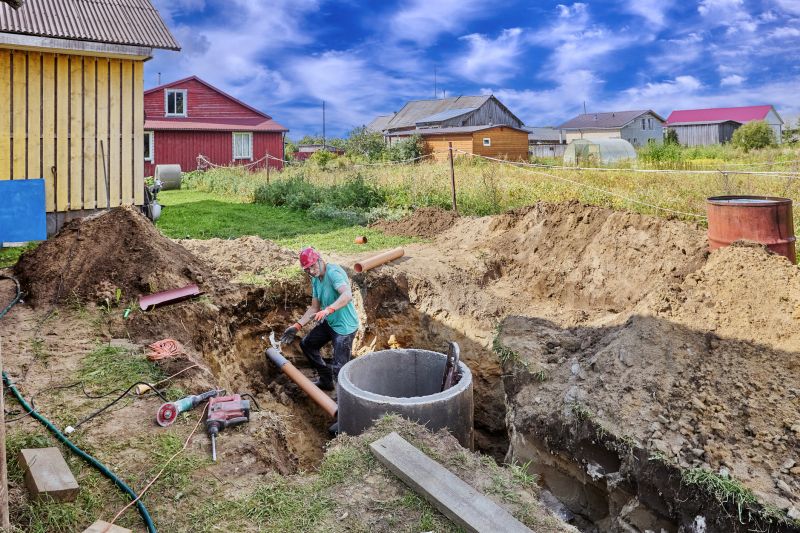
Sewage Tank Types And Selection
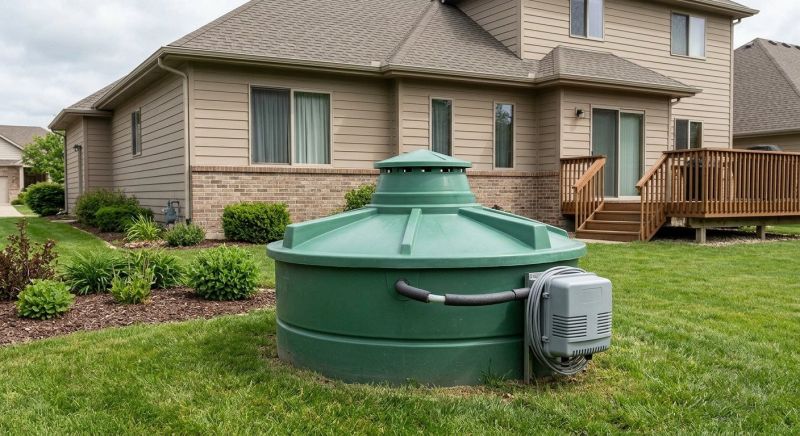
Different sewage tanks are suited for residential, commercial, and rural properties in denver and nearby areas.
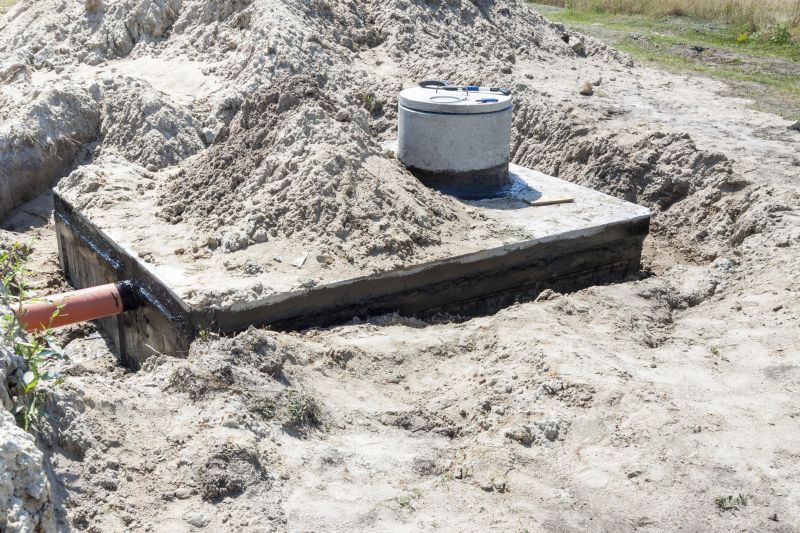
Installation Process Overview
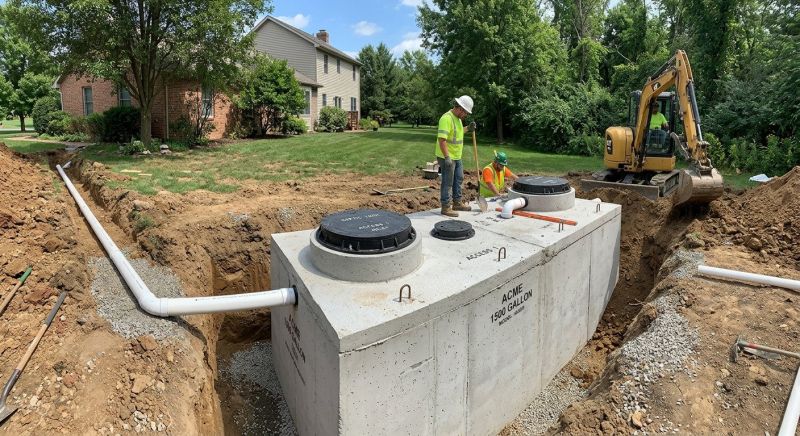
Proper installation ensures the sewage tank functions effectively and complies with local regulations in denver.
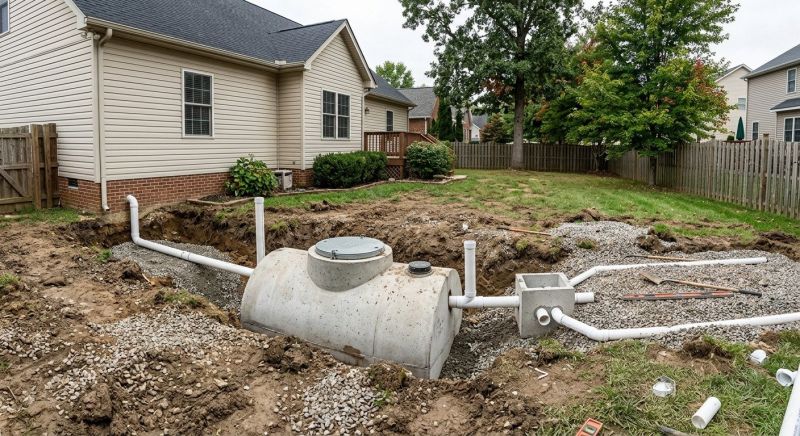
Maintenance And Inspection Tips
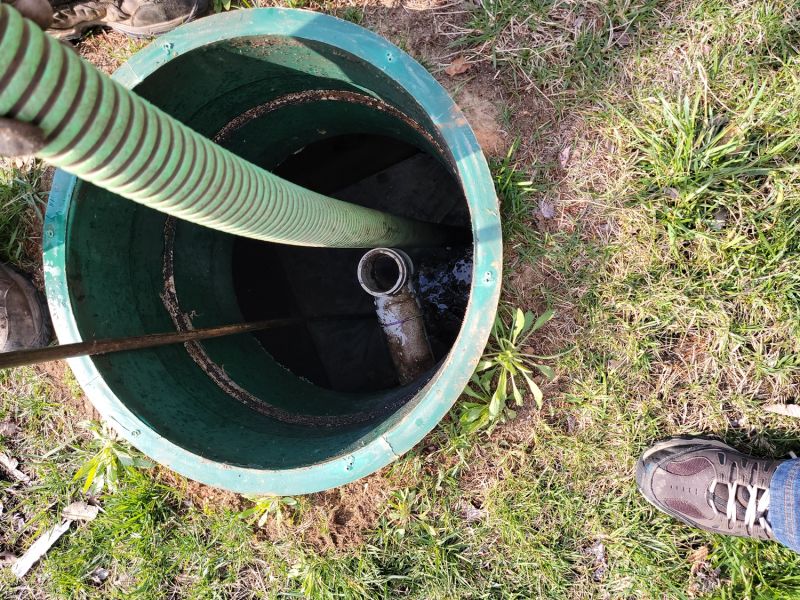
Regular maintenance helps prevent system failures and extends the lifespan of sewage tanks for denver property owners.
Sewage Tank Installation in Denver, CO

Sewage tank installation services involve placing underground tanks that collect and store wastewater from residential properties. These systems are essential for homes that are not connected to a municipal sewer line, providing a reliable solution for wastewater management. Projects typically include installing new tanks during home construction, replacing aging or damaged tanks, or upgrading existing systems to meet current standards. Property owners often want to understand the size and type of tank suitable for their property, as well as the installation process and any local regulations that may apply.
Before requesting sewage tank installation, property owners should consider factors such as the location of the tank on their property, accessibility for future maintenance, and the capacity needed based on household size and usage. It is also important to review any local codes or permits required for installation to ensure compliance. Proper planning and understanding of these details can help facilitate a smooth installation process and ensure the system functions effectively for years to come.
Many property owners in Denver, CO look into Sewage Tank Installation for repairs, replacements, upgrades, and appearance-related improvements.
Common Sewage Tank Installation Jobs
Sewage Tank Installation - Proper installation ensures effective waste management for residential properties.
Septic Tank Setup - Designed to accommodate household waste and prevent system backups.
Underground Waste Storage - Installed below ground to save space and maintain property aesthetics.
Tank Replacement - Upgrading or replacing outdated tanks to meet current standards.
Custom Tank Solutions - Tailored installations for unique property layouts and needs.
Emergency Tank Installation - Rapid setup services for urgent sewage system needs.
Sewage Tank Installation Questions
What types of properties require a sewage tank installation? Sewage tanks are typically needed for properties not connected to municipal sewer systems, including rural homes, new developments, and commercial sites.
How is the size of a sewage tank determined? The appropriate tank size depends on property size, number of users, and wastewater flow estimates to ensure proper capacity and function.
What factors influence the placement of a sewage tank? Placement considerations include accessibility for maintenance, proximity to the building, and compliance with local regulations.
What maintenance is required after installing a sewage tank? Regular inspections, pumping, and ensuring proper usage help maintain the tank’s performance and longevity.
Request Sewage Tank Installation in Denver, CO
Use the quote form on this page to share the basics of your project and request more information for the type of work you need.


